Sizing guidance
Trap capacity matched to your kitchen's fixtures and flow.
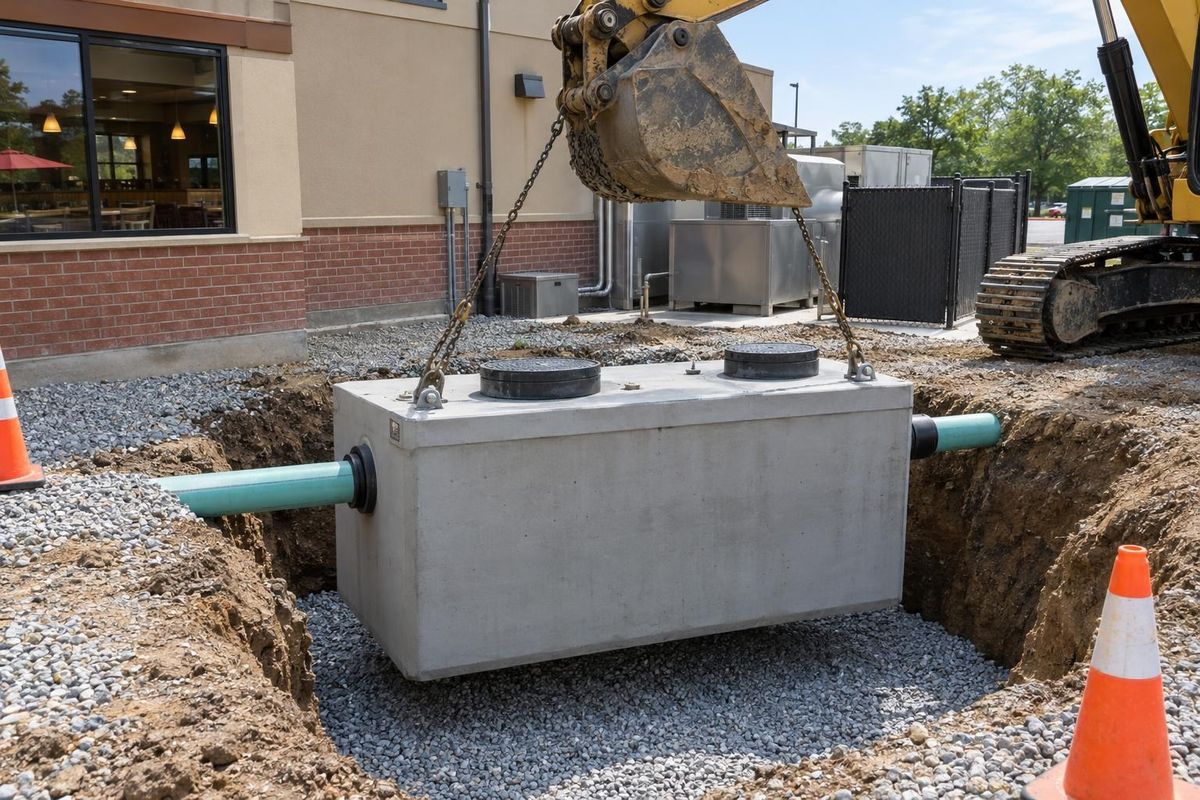
New Installation & Connections
In-ground interceptors and under-sink traps sized for your kitchen and installed to the local requirements.
Call or text today615-431-3789Grease Trap Installation
Commercial kitchens send a lot of fat, oil and grease down the drain, and it does not belong in a sewer. A grease trap or interceptor slows the wastewater so grease can float and be captured while the cleaner water flows on. Properly sized and installed, it protects both your lines and the public system.
We help size the trap to your kitchen, then excavate and install in-ground interceptors or place smaller under-sink units. Inlet and outlet piping, venting and access risers are set carefully, and we coordinate inspections as required. We can also arrange regular service so the trap keeps working as it should.
What you get
Trap capacity matched to your kitchen's fixtures and flow.
Interceptors and under-sink units installed to local rules.
Covers and risers set so pumping and inspection are easy.
Pumping and maintenance schedules to keep the trap effective.
The process
We review the kitchen, the flow and the local requirements.
We set the trap, connect piping and vent it.
We coordinate inspections and a service schedule.
FAQ
Many jurisdictions require one. Rules vary, and we help you find out what applies.
It depends on size and use. Many are serviced regularly, and local rules may set a minimum.
Yes. Options include in-ground interceptors outside or smaller indoor units.
Related services
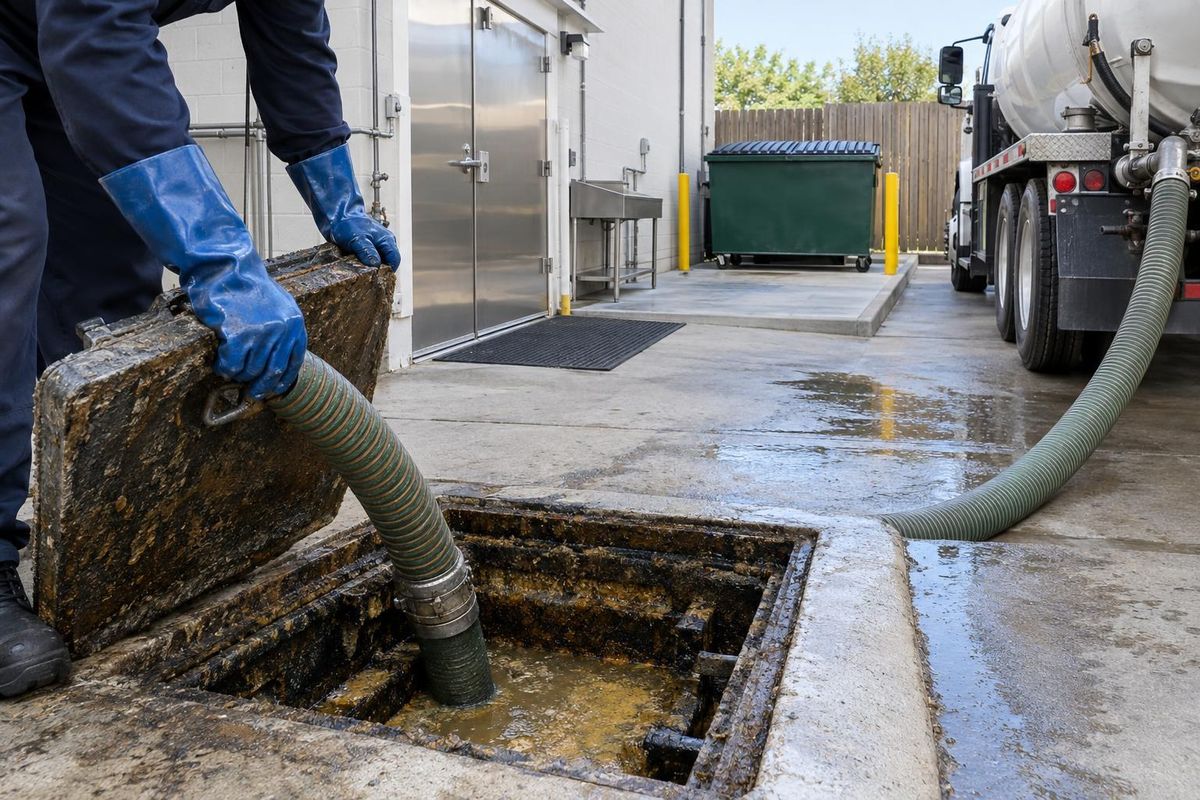 Restaurant SewerHydro jetting, grease trap service and scheduled maintenance for restaurants, cafes, caterers and kitchens.Learn more
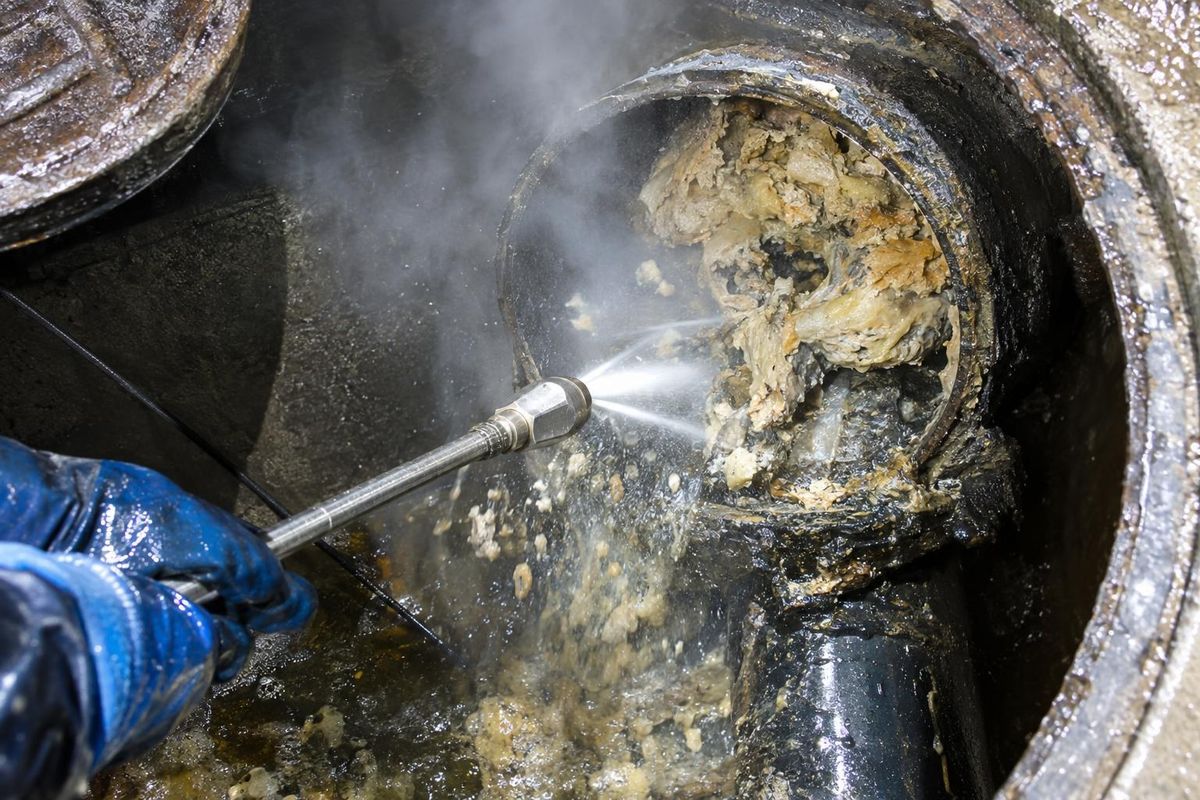 Grease & BlockagesHigh-pressure jetting and retrieval tools for grease, flushable wipes, toys and other obstructions.Learn more
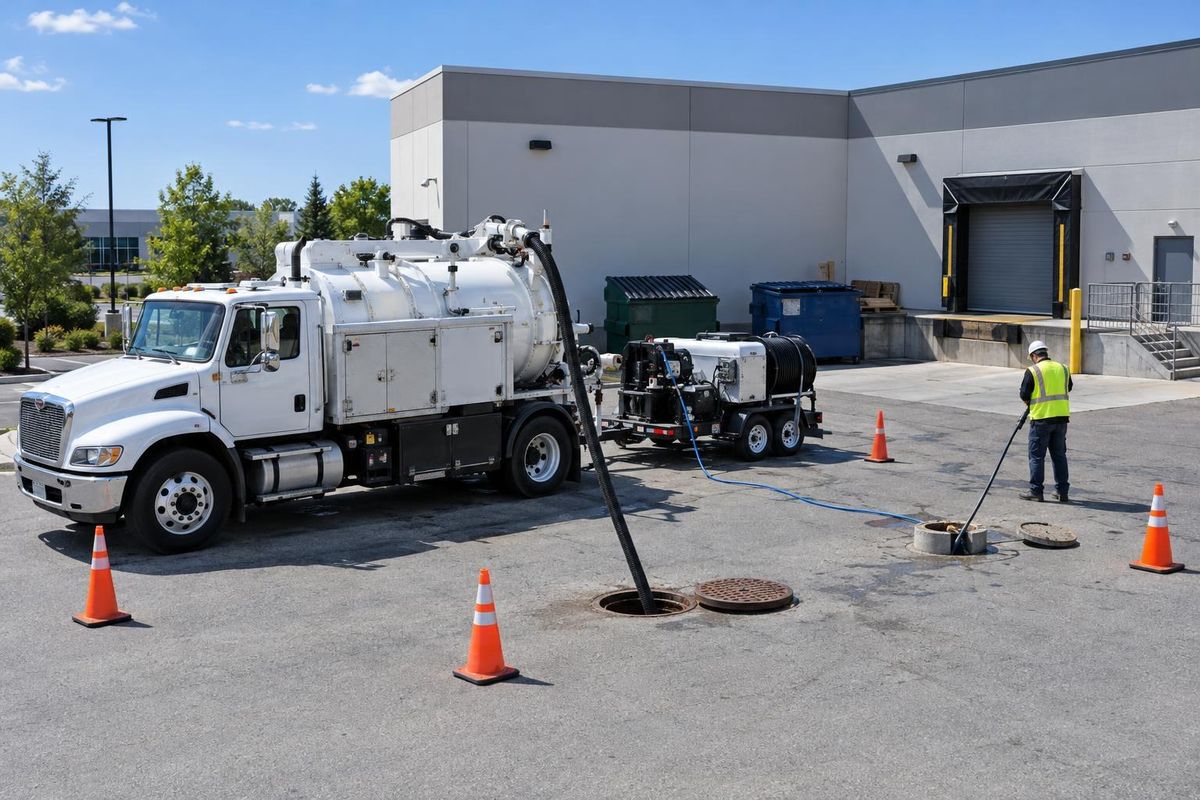 Commercial SewerScheduled and on-demand sewer work for businesses, planned around your hours and your customers.Learn more
Service areas
From Clarksville to Shelbyville and Dickson to Cookeville, pick your city to see the sewer cleaning, inspection, repair and installation work we handle in your part of Middle Tennessee.
Not on the list? Call 615-431-3789. We take projects across Middle Tennessee.
Call, text or send the form. Tell us about the property, what the drains are doing and when it started, and we will take it from there.