Key takeaways
- A septic system is a tank plus a drain field that treats wastewater in the soil.
- Pumping at regular intervals protects the drain field.
- Soggy ground, odors and slow drains are signs of trouble.
- Converting to sewer removes the septic system and connects you to the public main.
How a septic system works
Wastewater flows to an underground tank, where solids settle and scum floats. Baffles keep both from reaching the next stage. The liquid flows to a distribution box and out into the drain field, where soil and microbes treat it.
Tank and field work as a pair. When solids escape the tank, they can clog the field.
Care and pumping
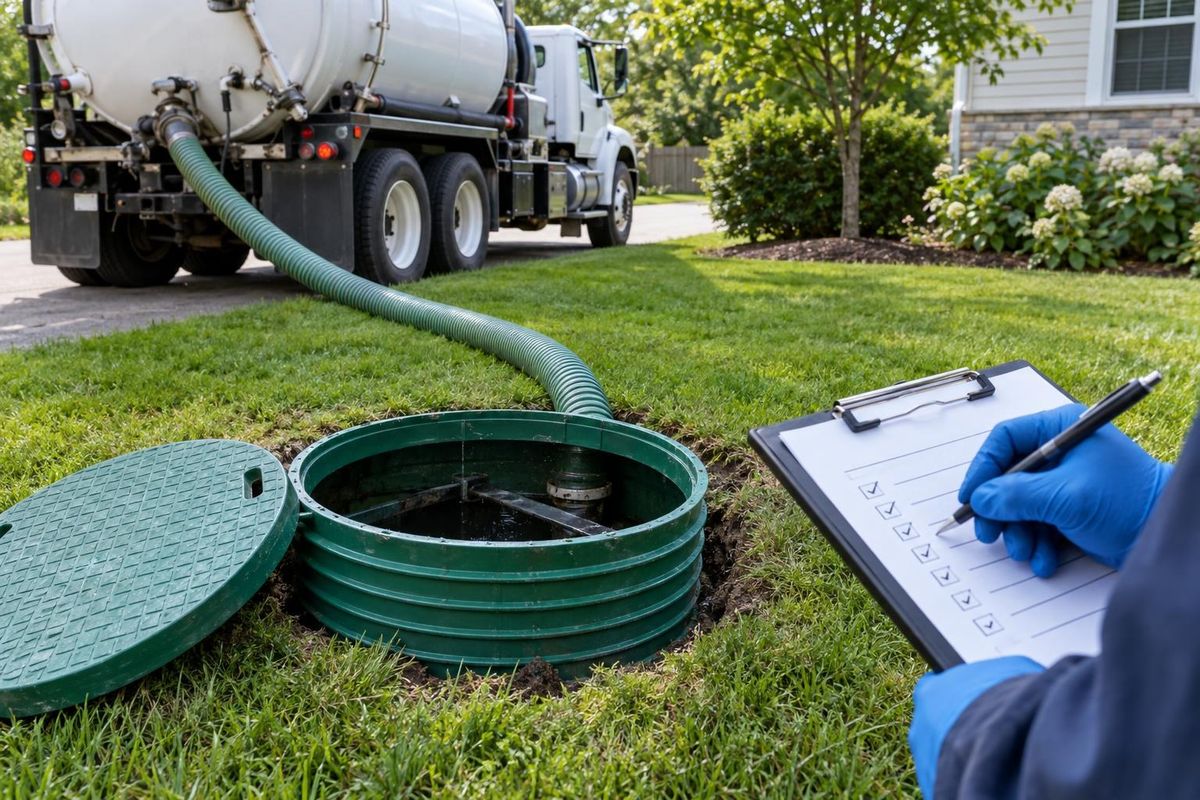
Most tanks need pumping every few years, depending on size and household use. Keep records, protect the field from vehicles and roots, spread laundry across the week and avoid pouring grease, harsh chemicals or wipes into the system.
Risers and lids at ground level make inspection and pumping simple.
Signs of trouble
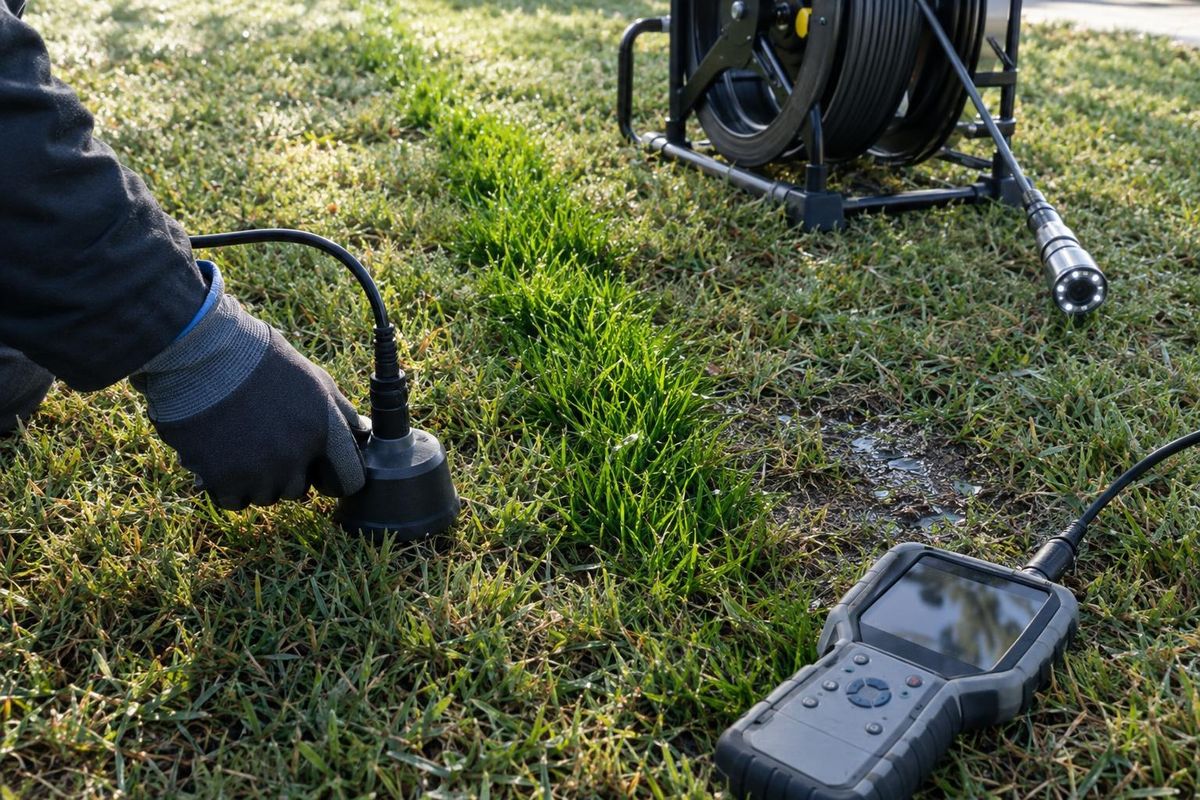
Slow drains, gurgling, odors, soggy ground or unusually green grass over the field, and backups into the house are all signs. Early service can save a field.
If you see effluent on the surface, call a septic professional promptly.
Converting to sewer
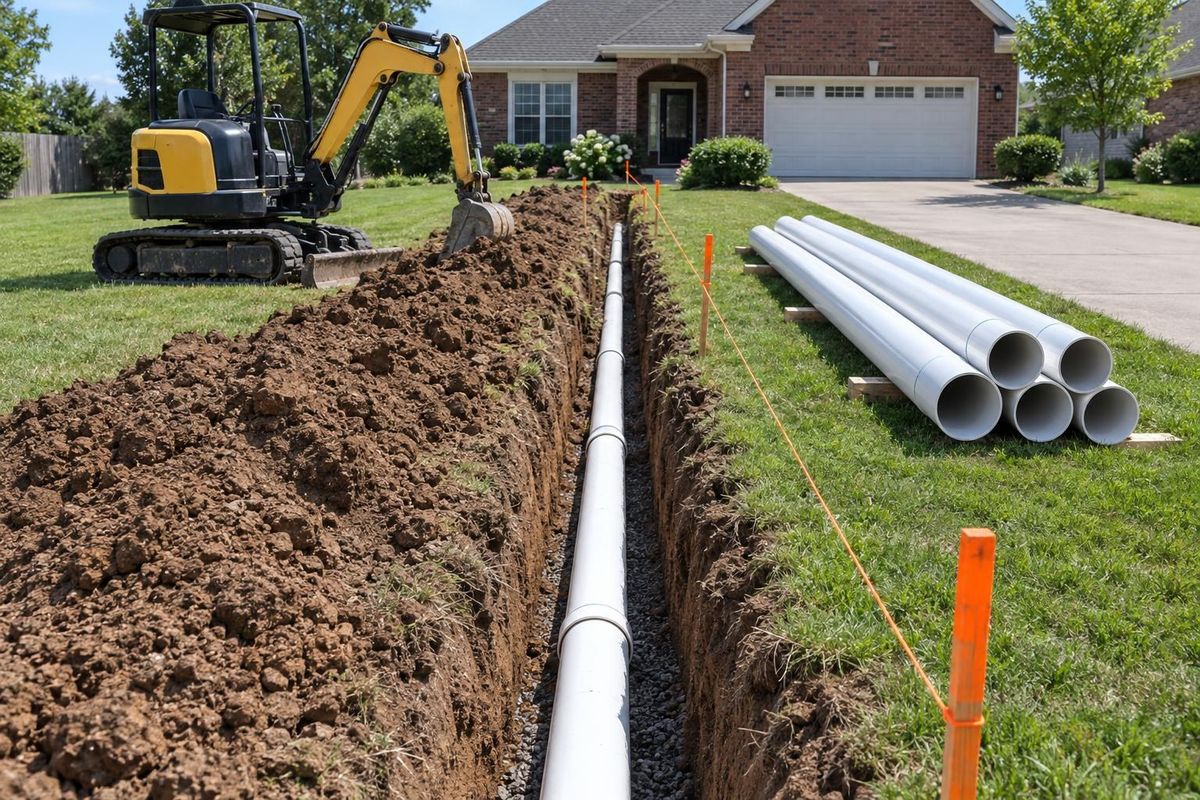
When public sewer reaches your street, a conversion connects your house with a new lateral and closes the old tank properly, usually by pumping and filling or removing it. Rules and timing vary by location, so check with your utility and local authorities.
A conversion removes tank pumping and drain field worries.
Official sites to explore
Brand names and logos belong to their owners. These links open the official websites in a new tab, and we are not affiliated with them.
- U.S. EPA: Septic SystemsFederal guidance on septic system care and maintenance.
- National Onsite Wastewater Recycling AssociationIndustry association for onsite wastewater systems.
- Metro Water ServicesWater and sewer service for Nashville and Davidson County.
- Tennessee 811Call before you dig so underground utilities are marked.
- Water Environment FederationResources on wastewater and water quality.
Quick answers
How often should a tank be pumped?
It depends on tank size and use. Many systems are pumped every few years, and we advise based on yours.
Can I plant over my drain field?
Grass is the safest choice. Trees and shrubs with aggressive roots can damage lines.
Do I have to connect when sewer arrives?
Rules differ by location. Your utility or local authority can tell you what applies.