Key takeaways
- A camera shows the inside of the pipe so repairs can be precise.
- Technicians look for cracks, offsets, roots, bellies, scale and grease.
- A locator adds depth and position so repairs and digging are targeted.
- A good report includes video, notes and clear recommendations.
How the camera works
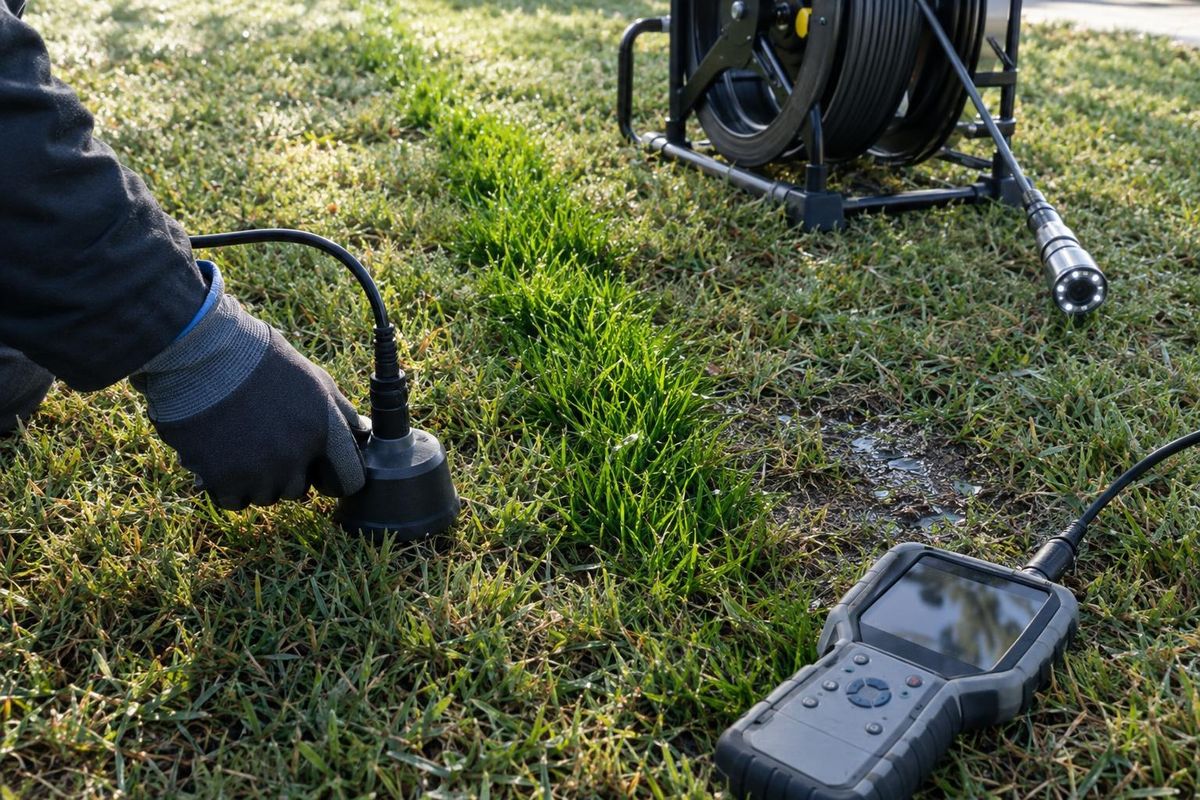
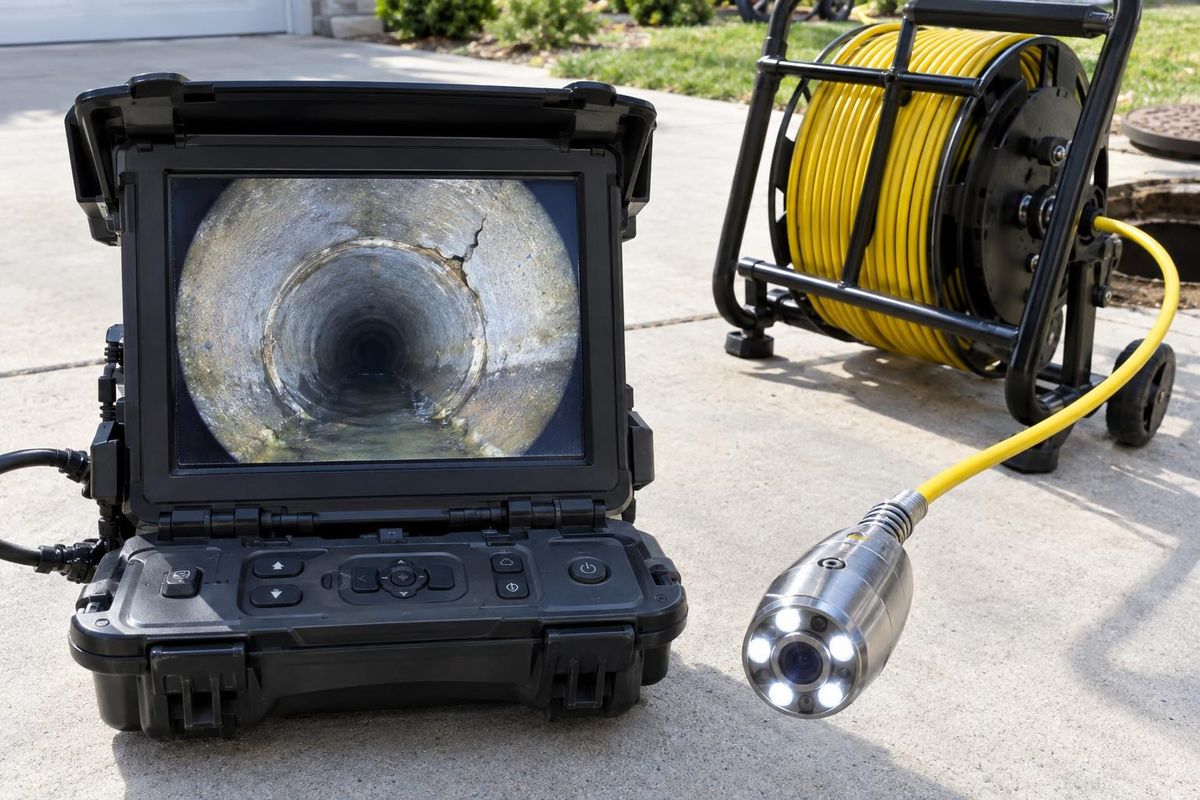
A flexible cable carries a waterproof, self-leveling camera head with bright lights into the line, usually from the cleanout. A monitor shows the live view and records it. The technician advances the camera slowly, noting distance and anything unusual.
The line should be clear enough for the camera to pass, so cleaning sometimes comes first.
What technicians look for
Cracks and fractures, offset joints, root intrusion, belly sections with standing water, scale on cast iron, grease buildup, sags and collapse are all visible. The pipe material and size are noted too.
The camera also helps identify connections and cleanouts along the way.
Locating the problem
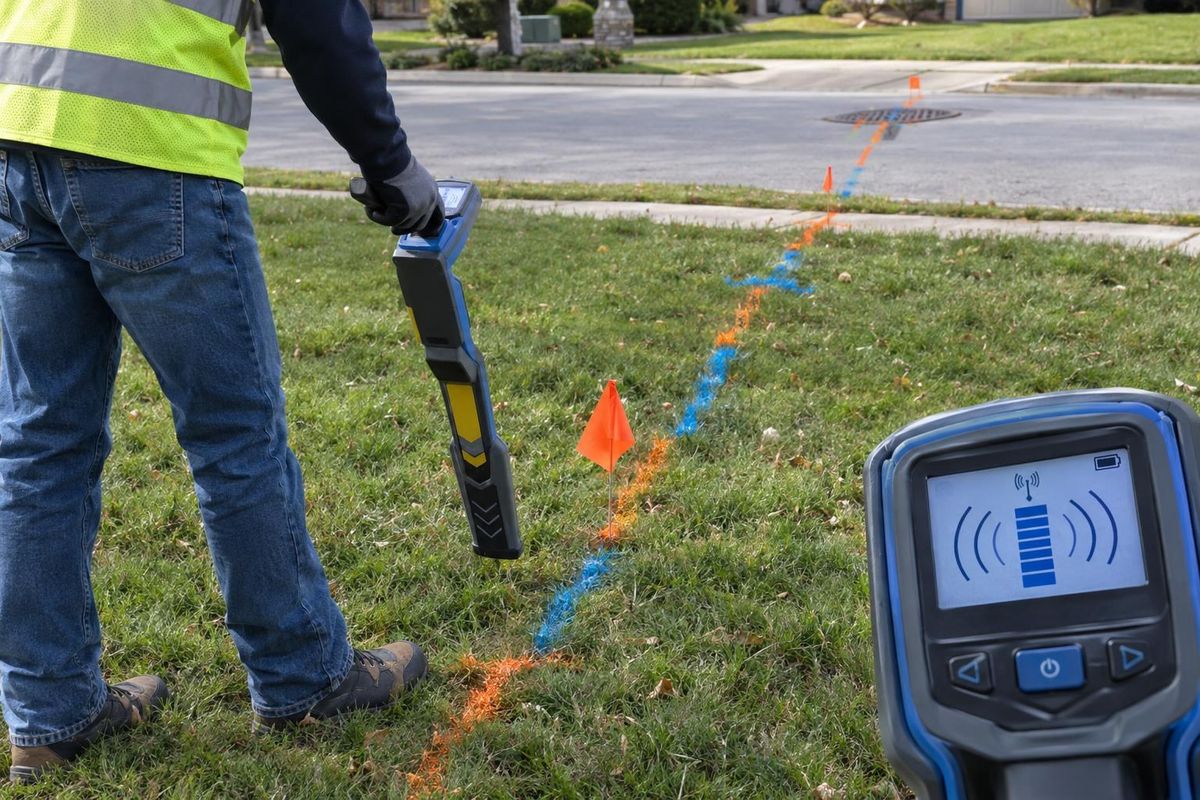
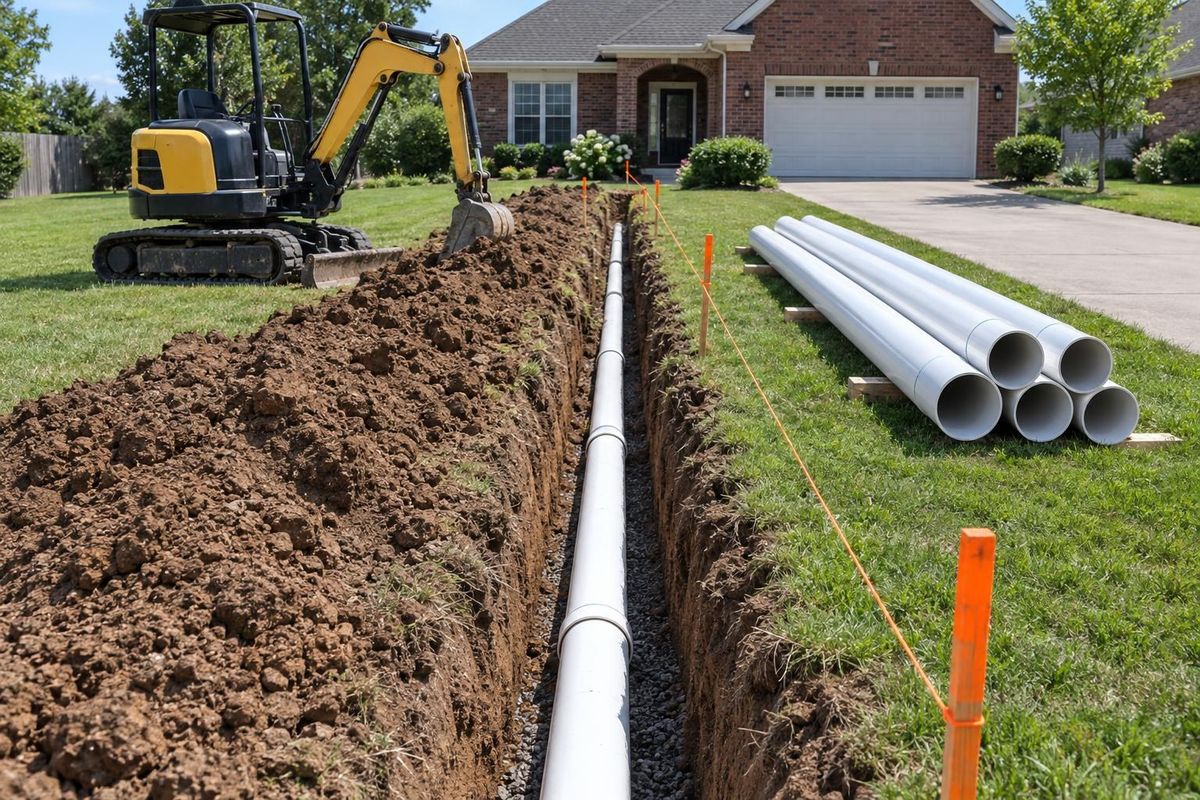
A transmitter in the camera head sends a signal that a locator picks up above ground. That shows the exact position and depth of a defect, so a repair can be a small, focused excavation or a trenchless pit instead of a guess.
Paint or flags mark the spot for the repair crew.
The report
Ask for the recording, the notes and a plain-language summary. For a real estate inspection, the report should say what was found, how serious it is and what a buyer or seller might do next.
Keep the video. It is a useful baseline for future service.
Official sites to explore
Brand names and logos belong to their owners. These links open the official websites in a new tab, and we are not affiliated with them.
- NASSCOIndustry association with pipeline assessment standards.
- Water Environment FederationResources on wastewater and water quality.
- U.S. EPA: Sanitary Sewer OverflowsInformation on sewer system problems and overflows.
- Metro Water ServicesWater and sewer service for Nashville and Davidson County.
- American Society of Civil EngineersEngineering society with infrastructure resources.
Quick answers
Can the camera see the whole line?
Usually to the main. Deep water in bellies or severe collapses can limit how far it travels.
Does the camera damage the pipe?
No. Push cameras are made for sewer lines.
How often should I inspect?
Many owners check older lines every few years or when buying, selling or after a backup.