Key takeaways
- Roots enter through cracks and joints, drawn by water and nutrients.
- Cutting roots clears the line, but sealing the opening keeps them out.
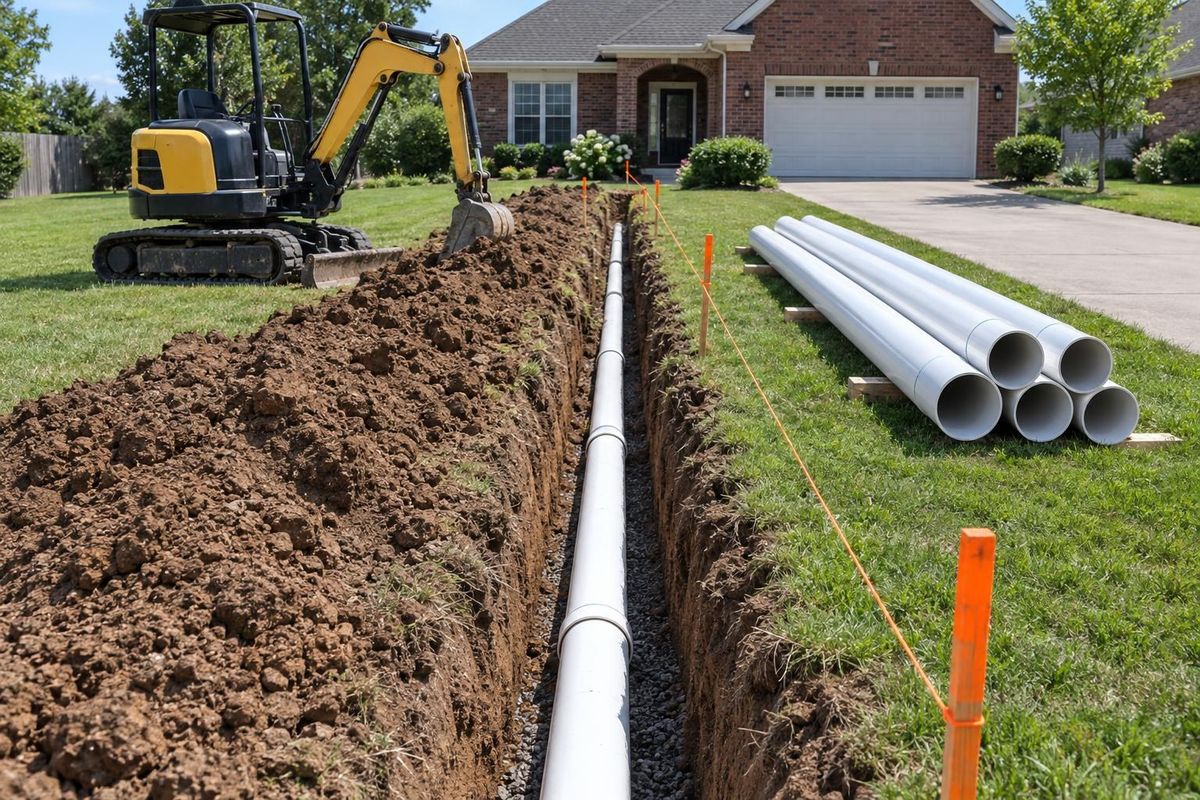
- Lining, joint repair or replacement closes the entry points.
- Planning plantings and adding a cleanout makes the line easier to keep clear.
Why roots go for sewer pipes
A sewer line carries warm, nutrient-rich water. Even tiny leaks create moisture that roots can sense. A root hair enters a hairline crack or a loose joint, grows and thickens, and pushes the opening wider.
Clay and concrete pipes with many joints are especially vulnerable.
What roots do inside the pipe
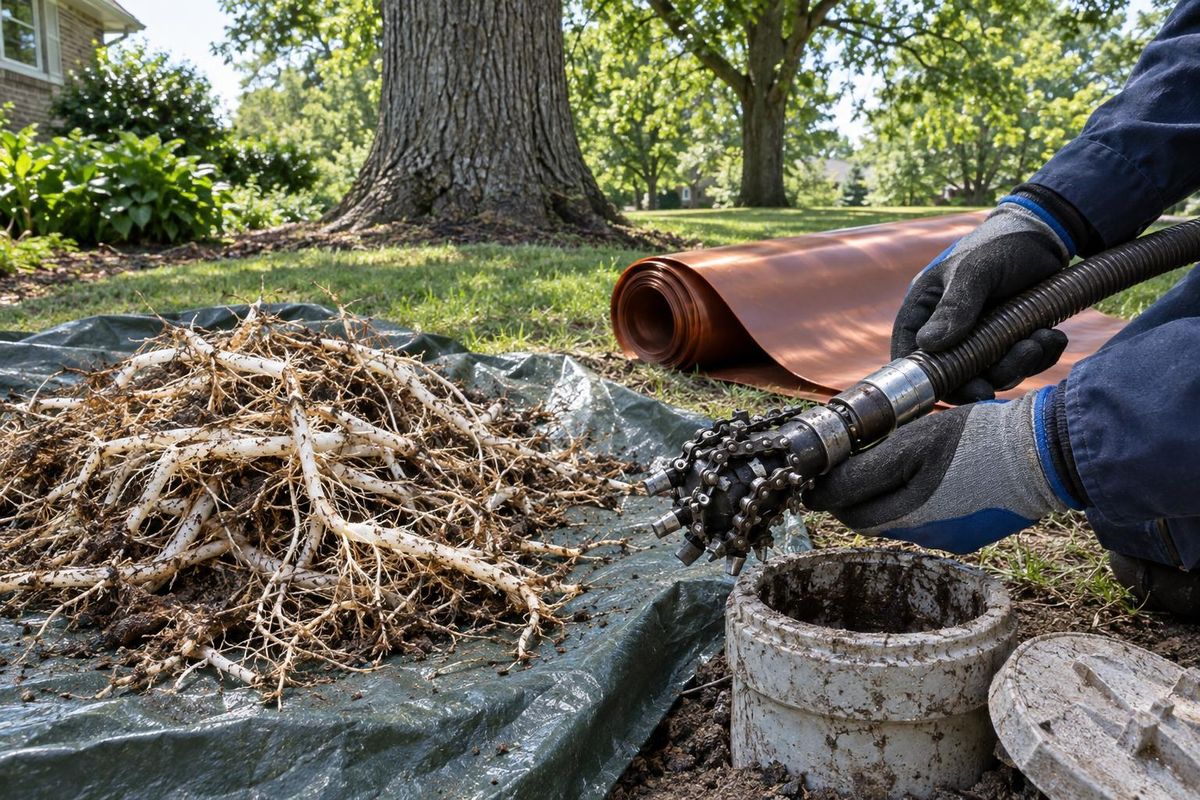
Inside the pipe, roots form a mat that catches paper and grease. Flow slows, then stops. Cutting the roots restores flow, but the roots grow back if the entry point stays open.
Repeated clogs in the same line during spring and summer are a classic sign.
Removal and repair
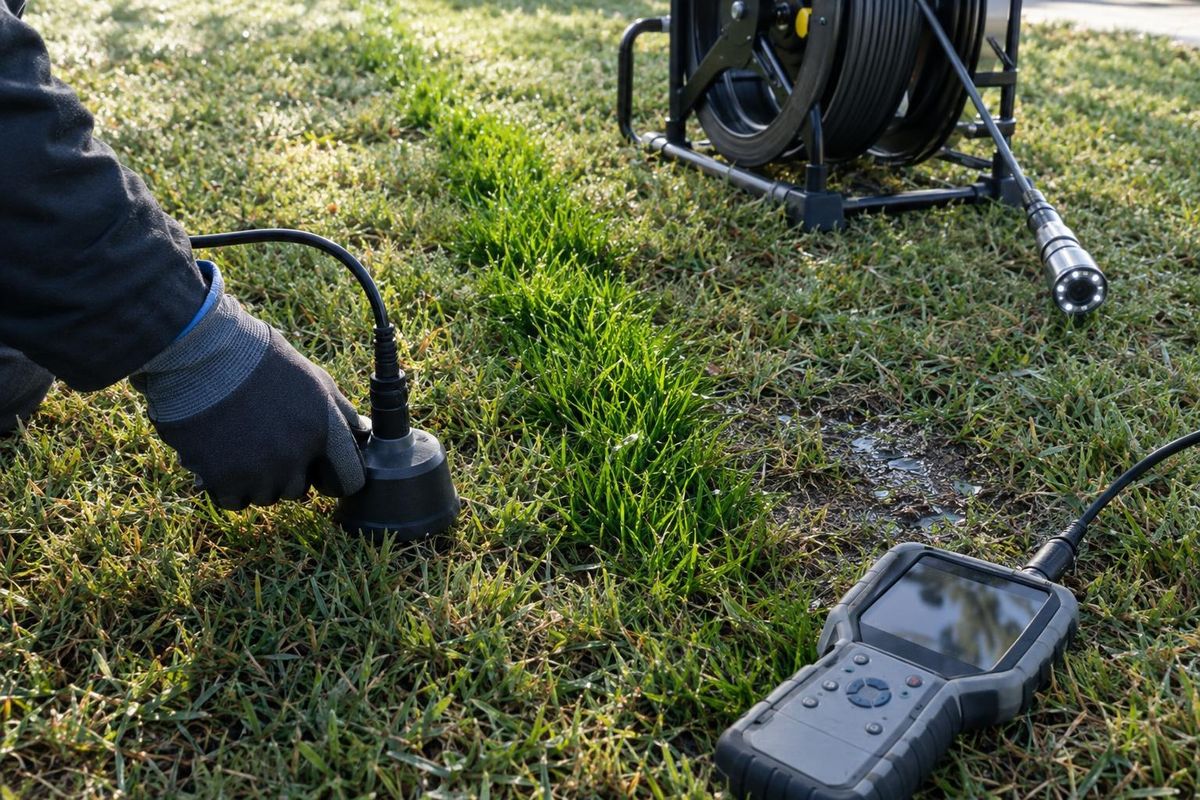
Roots are cut with rotating chain or blade tools or cleared with high-pressure jets, followed by a camera inspection. The lasting fix is to close the opening: line the pipe, repair the joint, replace a section or replace the line.
Chemical root treatments may slow regrowth but do not repair the pipe.
Prevention
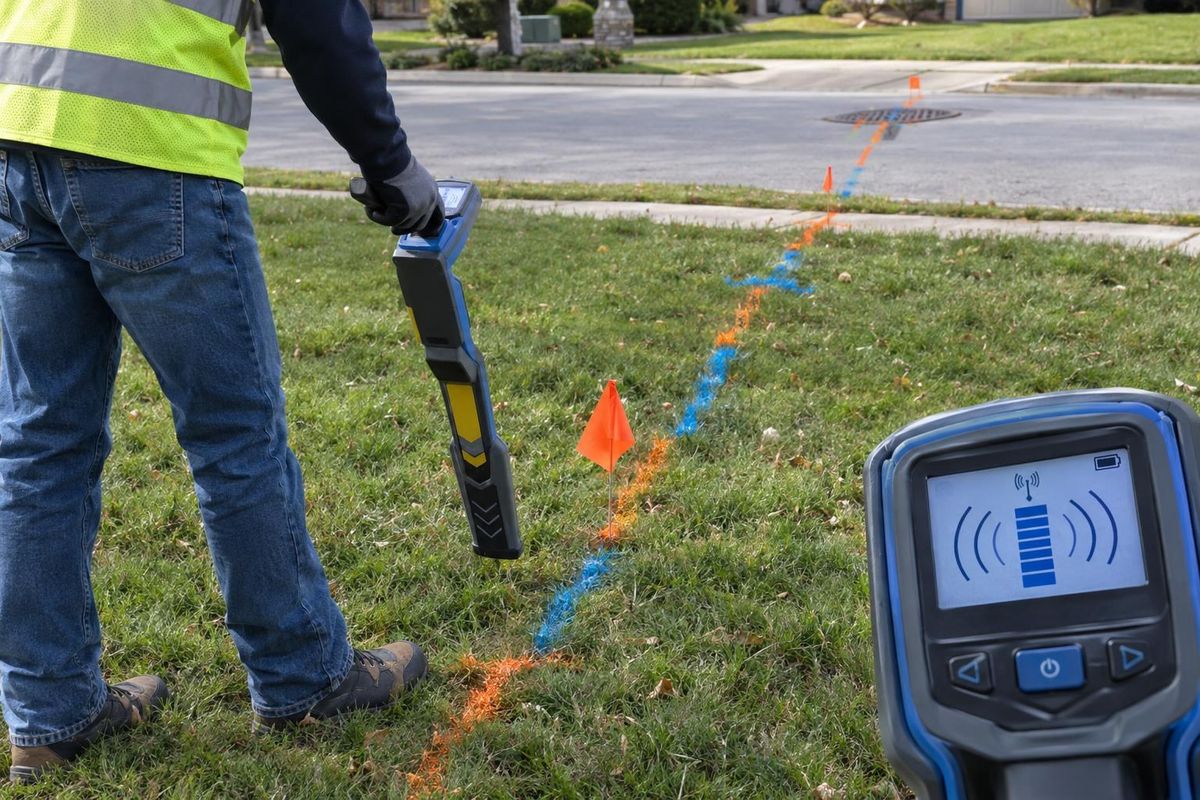
Know where your line runs before planting. Keep large trees well away from it, choose species suited to the space and avoid planting directly over the line. If a tree is already close, sealing the pipe is a better answer than removing the tree in most cases.
A cleanout and a maintenance schedule make long-term care simple.
Official sites to explore
Brand names and logos belong to their owners. These links open the official websites in a new tab, and we are not affiliated with them.
- Tennessee 811Call before you plant or dig so underground utilities are marked.
- Metro Water ServicesWater and sewer service for Nashville and Davidson County.
- NASSCOIndustry association for pipeline rehabilitation.
- Water Environment FederationResources on wastewater and water quality.
- American Society of Civil EngineersEngineering society with infrastructure resources.
Quick answers
Will my tree be damaged by root cutting?
Cutting roots inside the pipe does not harm the tree in a meaningful way, since the roots are small feeder roots.
Do I have to remove the tree?
Usually not. Sealing the pipe is the lasting fix.
How do I know where the line runs?
A locator can trace the line and mark its path and depth.