Key takeaways
- Every drain in the house joins a single building drain that leaves as the sewer lateral.
- Sewer lines rely on gravity, so a steady downhill slope is everything.
- Vents let air in behind the water so drains flow and traps keep sewer gas out.
- A cleanout is the doorway that makes service quick and simple.
From fixture to building drain
Each sink, tub, toilet and floor drain has a trap, a curved section that holds water to block sewer gas. Branch lines carry waste to larger drains, which join into the building drain, the main pipe that gathers everything and sends it out of the house.
Vent pipes rise through the walls to the roof. They let air into the system so waste flows smoothly and traps do not siphon dry.
The sewer lateral
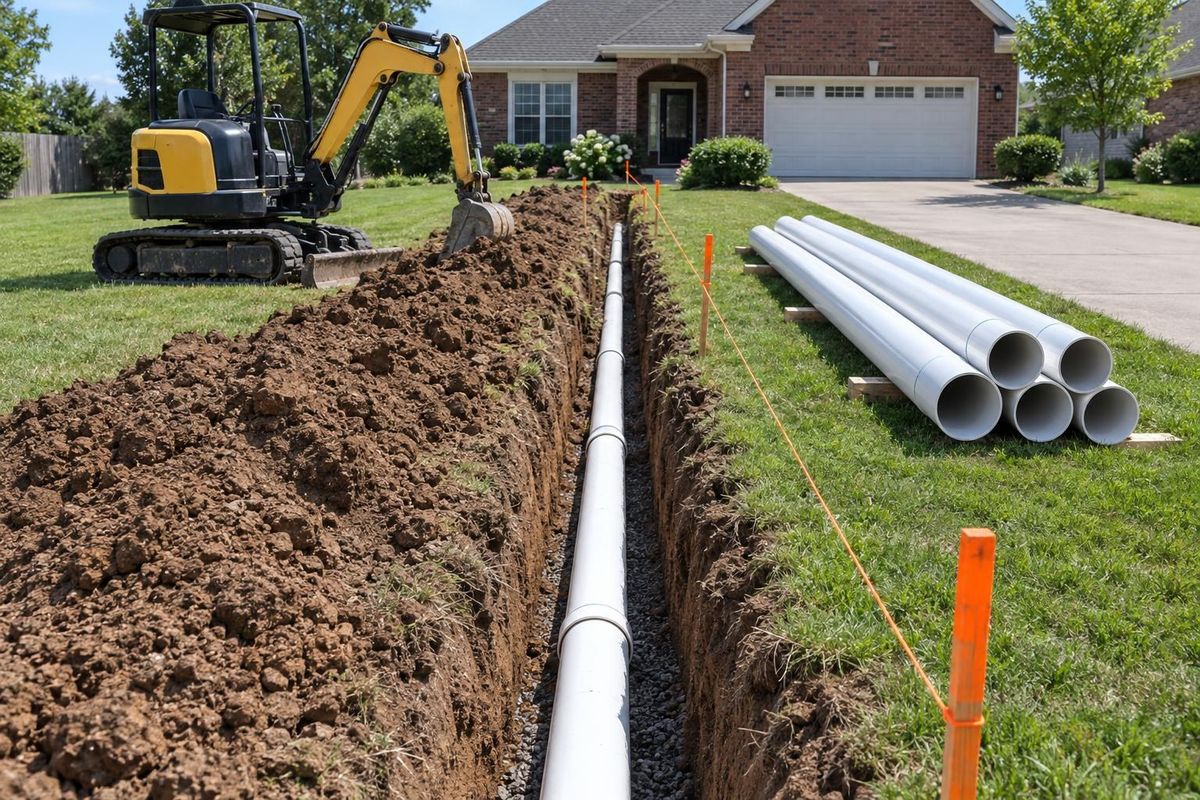
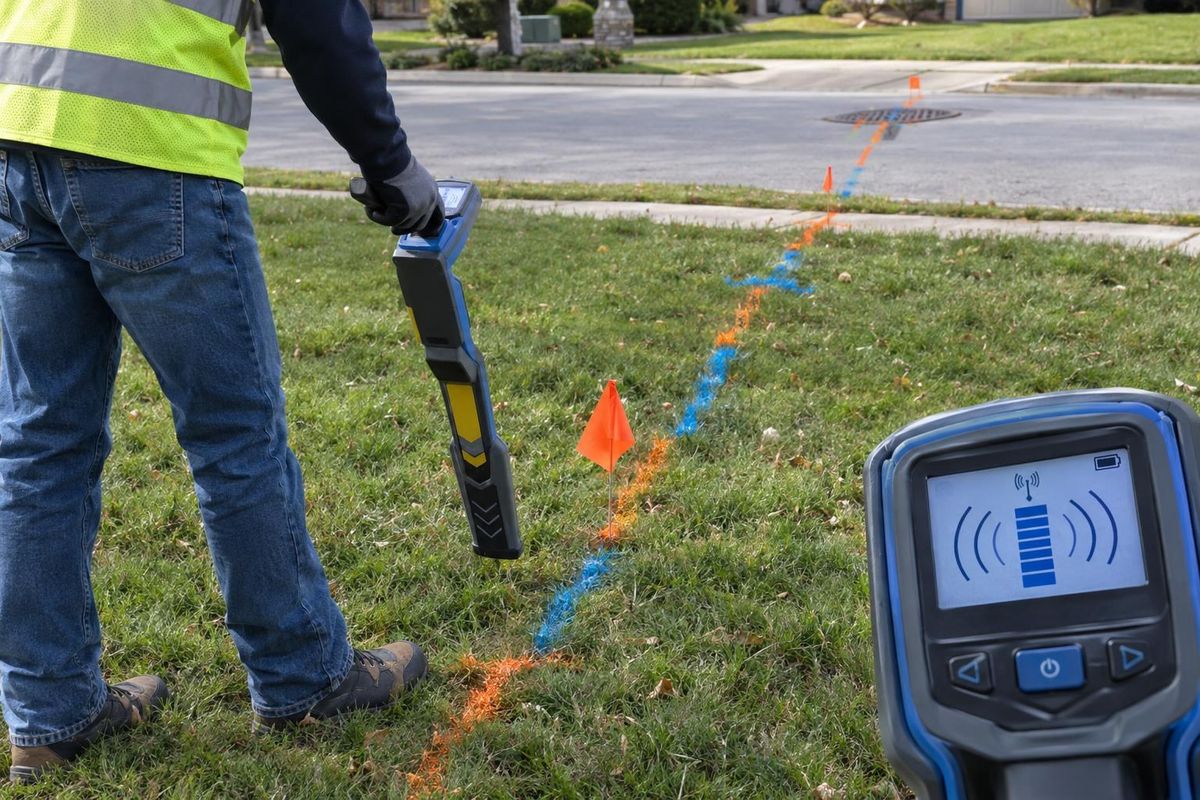
The lateral is the underground pipe that carries wastewater from the building drain to the public main in the street, or to a septic tank. It runs on a steady downhill slope, usually about a quarter inch of drop for every foot, and gravity does the work.
In Nashville and the surrounding counties, laterals can be made of clay tile, cast iron, Orangeburg, PVC or HDPE depending on the age of the home.
Cleanouts and access
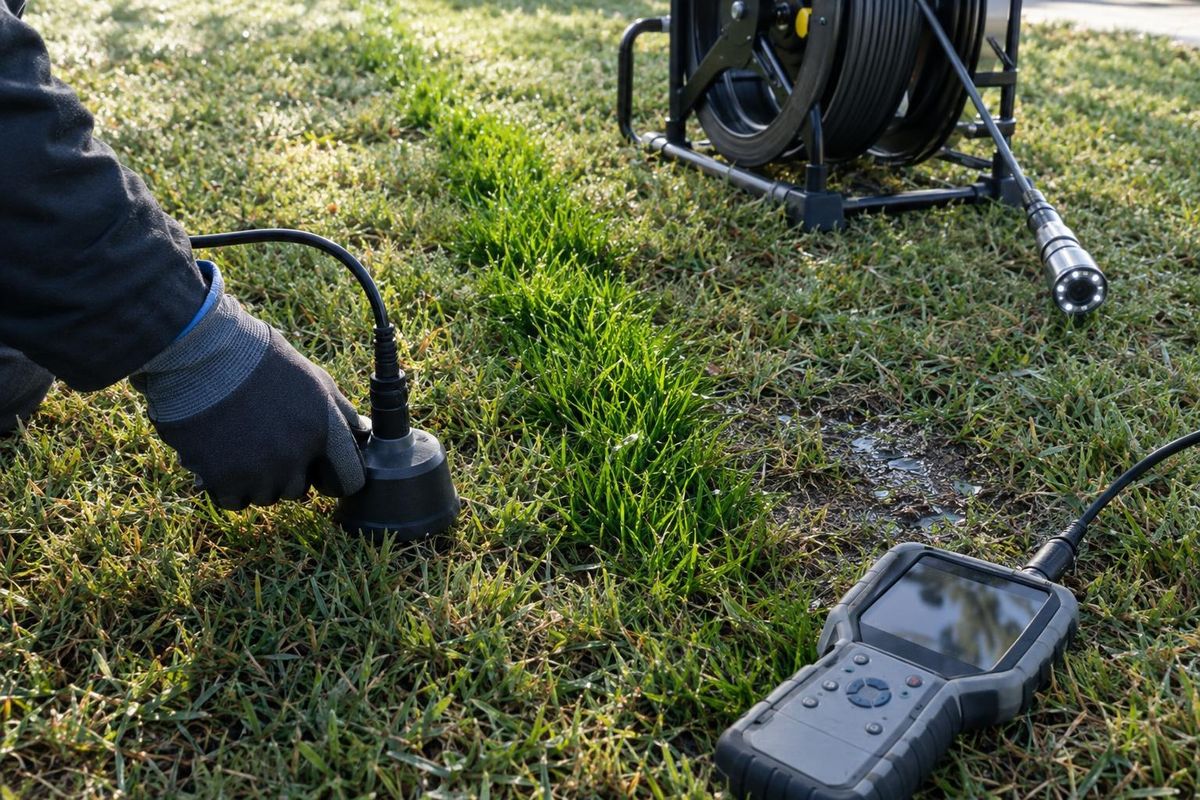
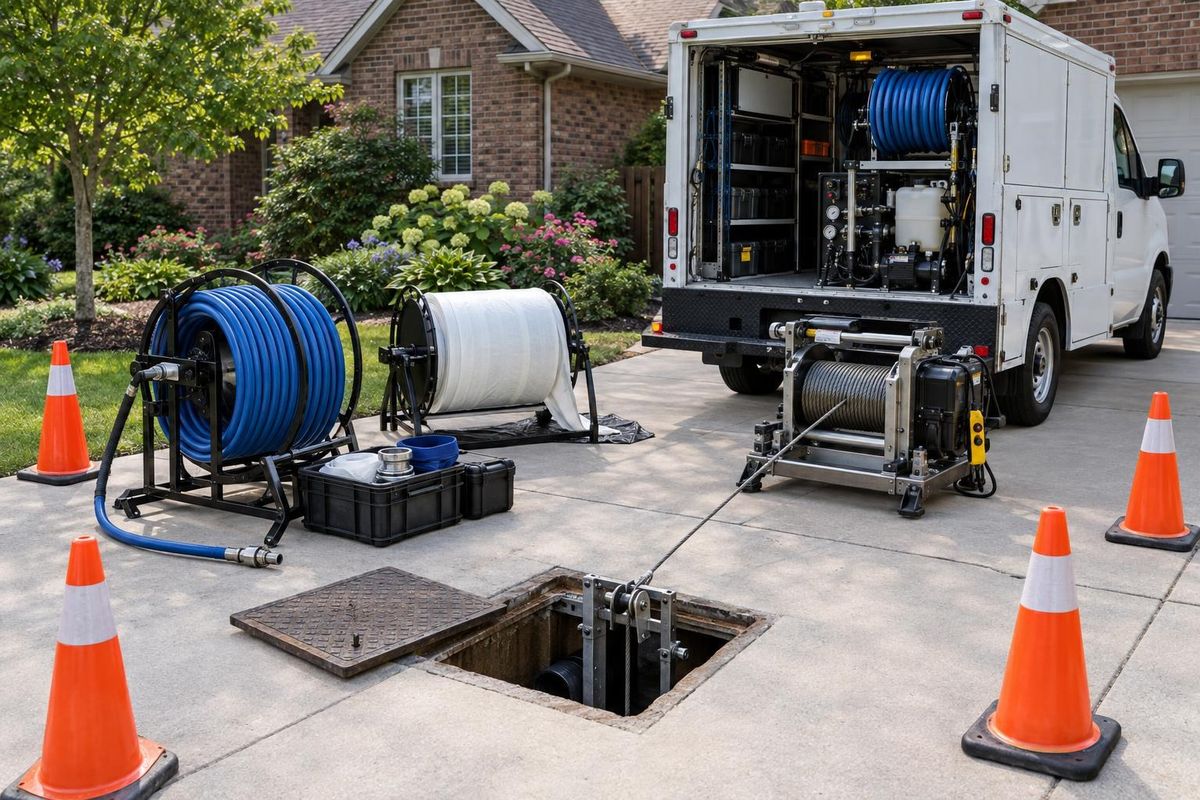
A cleanout is a capped pipe that gives direct access to the line. With one, a technician can clear or camera the line from the yard. Without one, service may mean pulling a toilet or working from the roof vent.
Good homes have a cleanout near the foundation and, on long runs, at bends and intervals.
The main or the septic system
Where public sewer is available, the lateral connects to the main, which carries waste to a treatment plant. The property owner is usually responsible for the lateral, and the utility for the main.
Where public sewer is not available, the lateral leads to a septic tank, which separates solids, and then to a drain field that releases treated water into the soil.
Official sites to explore
Brand names and logos belong to their owners. These links open the official websites in a new tab, and we are not affiliated with them.
- Metro Water ServicesWater and sewer service for Nashville and Davidson County.
- U.S. EPA: Septic SystemsFederal guidance on how septic systems work and how to care for them.
- Water Environment FederationProfessional organization for water quality and wastewater.
- Tennessee 811Call before you dig so underground utilities are marked.
- American Society of Civil EngineersEngineering society with resources on infrastructure.
Quick answers
What slope does a sewer line need?
A steady downhill slope, typically about a quarter inch per foot for common pipe sizes. Too little slope lets solids settle, and too much can leave solids behind.
Why do drains gurgle?
Gurgling can mean a partial blockage or a venting problem that lets air move the wrong way.
Where is my cleanout?
Look for a capped pipe near the foundation or in the yard. If you cannot find one, we can locate the line and add one.